Kimple Hunter 370, 395 or 420: which Hunter to choose?
Hunter 370, 395 and 420 look alike but serve different anglers. We compare the numbers and the feel on the water.
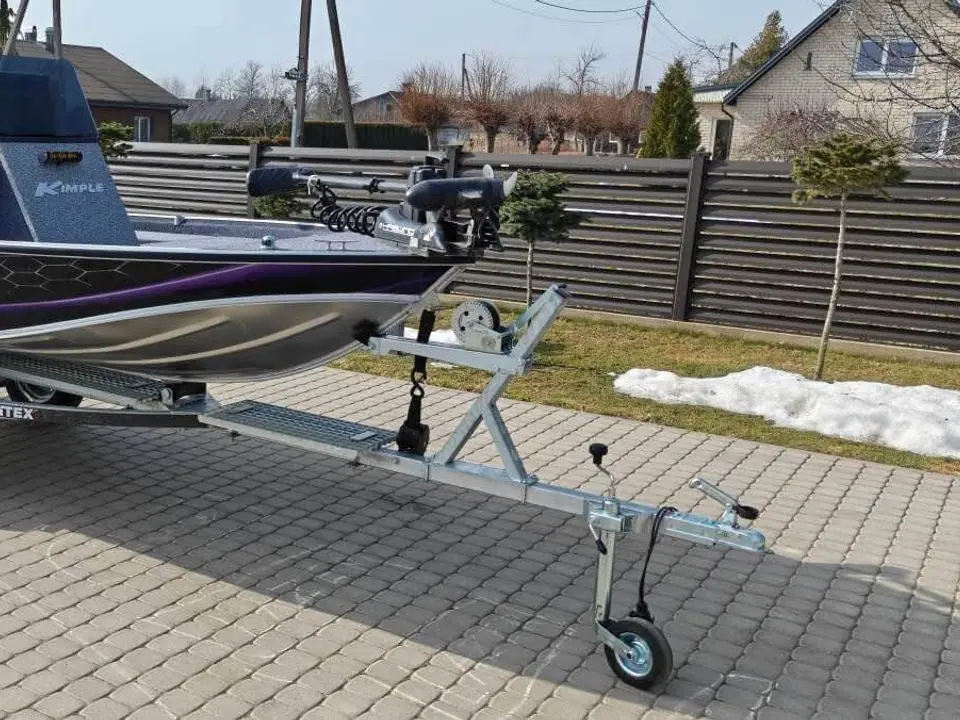
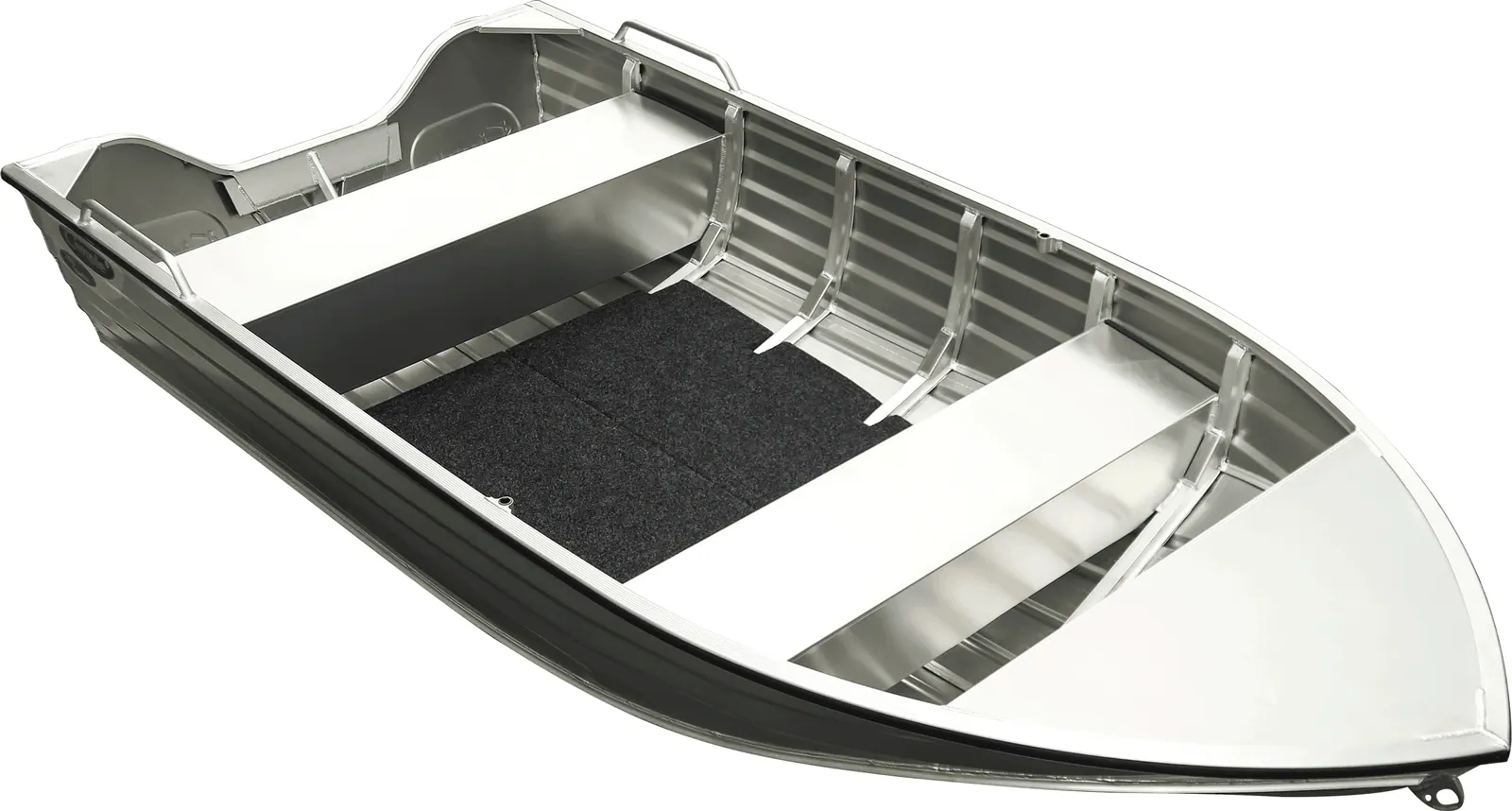
The Hunter series is Kimple's answer for lure anglers: wide, near flat-bottom boats for fishing standing up. Yet the Hunter 370, Hunter 395 and Hunter 420 differ by more than 25 cm steps in length. The stability principle is explained in our Hunter series article; here we compare models.
The numbers
| Model | Length | Beam | Weight | Max. motor | Aluminium | Price |
|---|---|---|---|---|---|---|
| Hunter 370 | 3.70 m | 1.64 m | 86 kg | 15 HP | 1.6 mm | €2,950 |
| Hunter 395 | 3.95 m | 1.75 m | 134 kg | 40 HP | 1.6 / 2.0 mm | €3,650 |
| Hunter 420 | 4.20 m | 1.87 m | ~200 kg | 50 HP | 3.0 / 2.0 mm | €4,200 |
Hunter 370 – the light workhorse
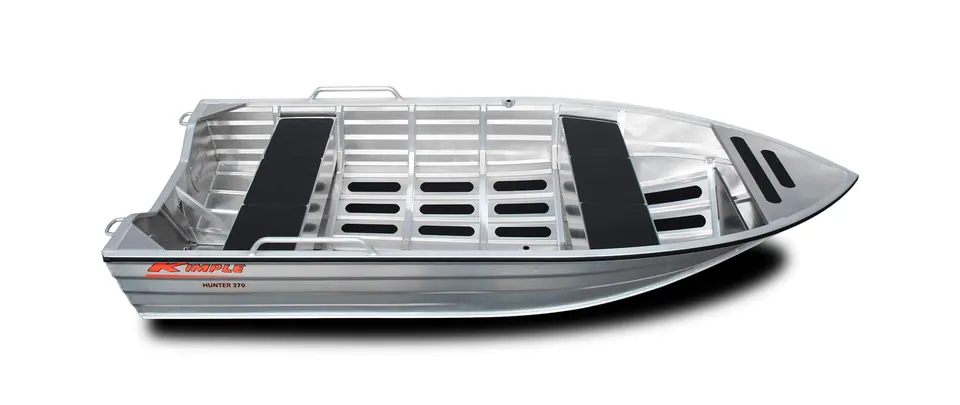
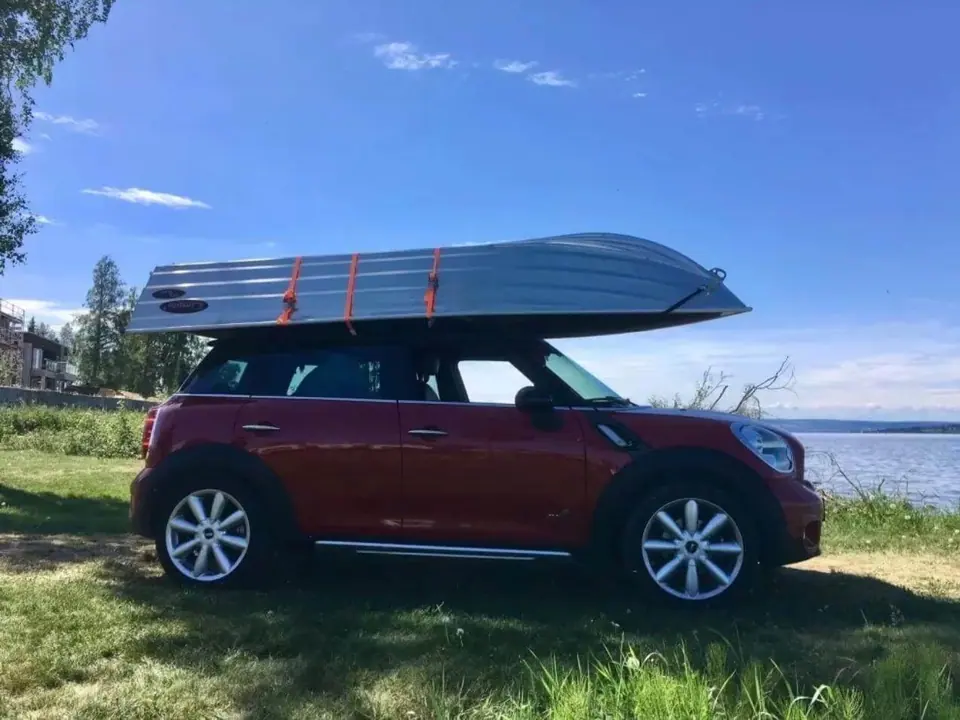
86 kg with an Arch Bonnet bow that acts as a stiffener and wave breaker. A 15 HP maximum means it never needs registration. For two people on lakes and ponds, towed on the lightest trailer. Downside: planing with two aboard is marginal.
Hunter 395 – the sweet spot
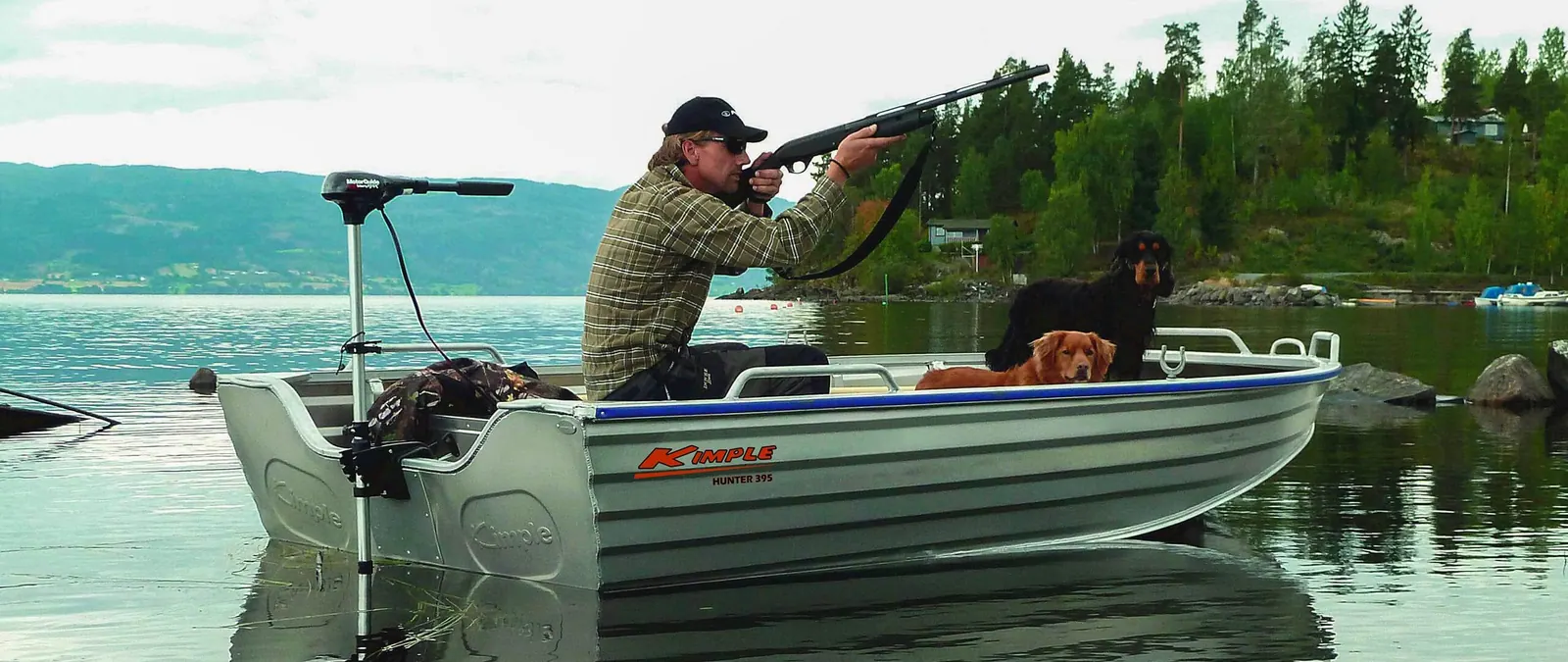
Our best seller. A 1.75 m beam rivals much larger boats, 72 cm freeboard copes with lagoon chop, and 134 kg tows behind any car. The 40 HP rating matters: with 25–30 HP it planes with three aboard, and up to 25 HP still needs no registration. If you can own only one boat for life – this is it.
Hunter 420 – the professional platform
A 3 mm bottom with longitudinal strakes and 1.87 m beam – a bass-style boat rather than a dinghy. With 40 HP and remote steering it planes instantly and holds turns. The hull is €4,200, a real package with motor, console, trailer and fish finder reaches €10–12k.
And the Hunter 460?
The Hunter 460 is a class apart: 220 kg, five persons, category D and 0.89 m bow freeboard – for the coast, the Curonian Lagoon and guides with clients.
How they behave on the water
The Hunter 370 with 10–15 HP runs semi-planing at ~25 km/h. The 395 with 25 HP planes in 3–4 s and holds 35–40 km/h; 72 cm freeboard copes with lagoon wind up to 8 m/s. The 420 with 40 HP and remote steering is a real boat: 45+ km/h, strakes hold it in turns and two people can walk the deck.
Outfitting by model
- 370 – one factory layout; we add a fish-finder plate, bow-mount electric and a LiFePO4 12 V battery.
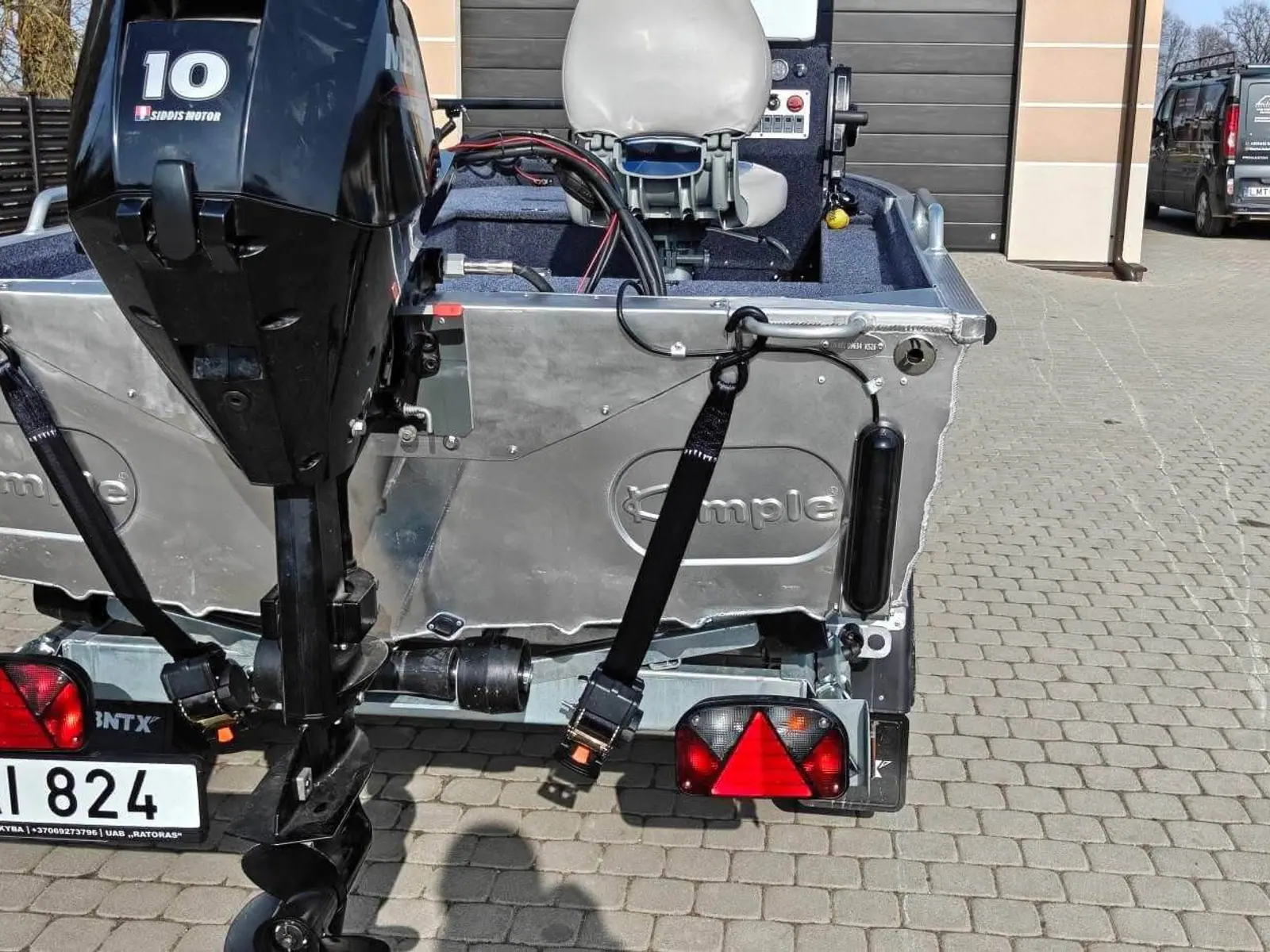
- 395 – casting deck, storage and console available; the popular package is 25 HP tiller with a Tikki BX600-L trailer.
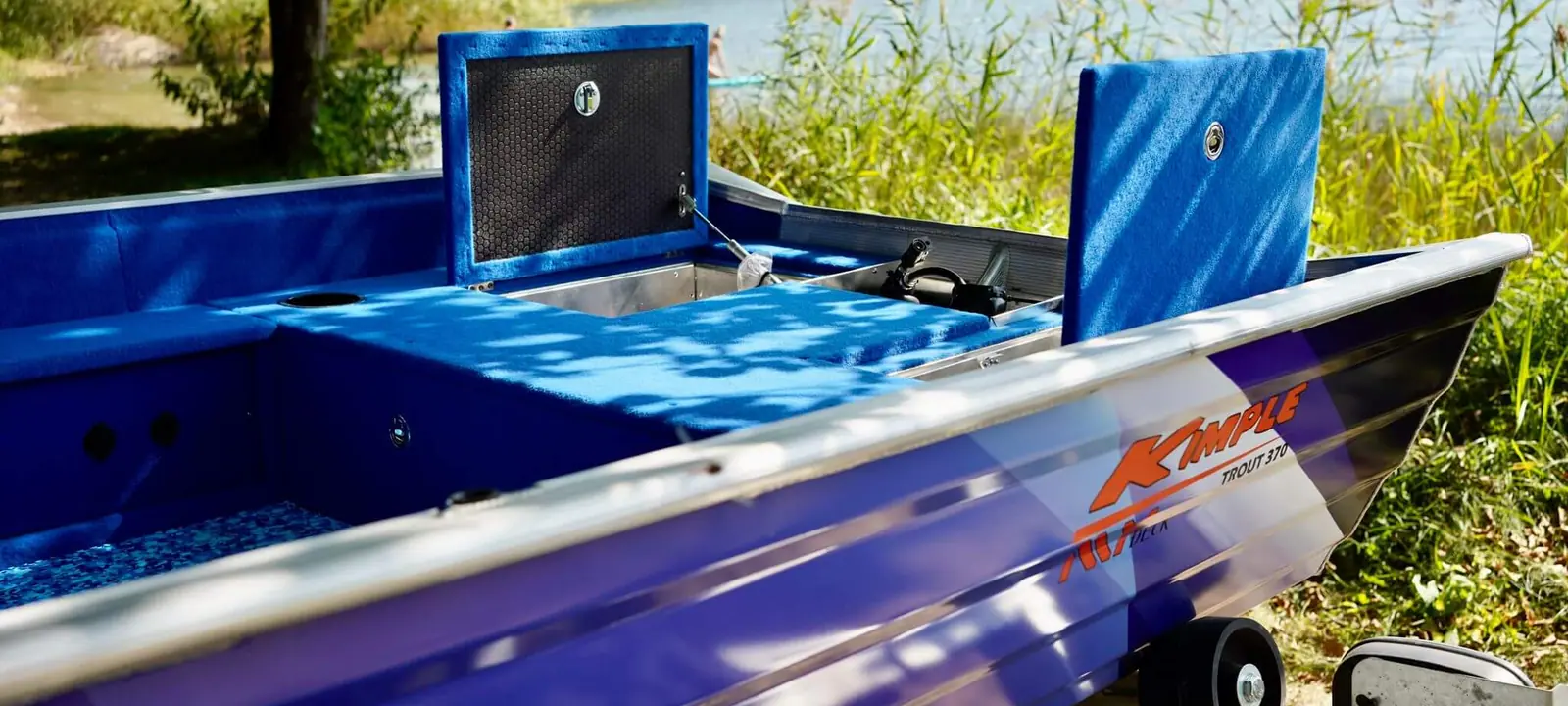
- 420 – full bass-boat fit-out with carpeted deck, livewell, console, lights and the Fuber Global 3.0 as a quiet trolling motor.
See boat outfitting and how to choose an aluminium boat.
Running costs per season
370 with 10 HP: 60–80 L fuel (~€150), no trailer needed. 395 with 25 HP: 150–200 L (~€350) plus trailer insurance. 420 with 40 HP: 250–350 L (~€600), registration and trailer. Over five years the gap between 370 and 420 is €3–4k.
Our recommendation
- Budget under €4,000 with motor, small lakes – Hunter 370.
- One boat for all conditions, no registration – Hunter 395 with 25 HP.
- Lure fishing on lagoons and big lakes, speed – Hunter 420 with 40 HP.
FAQ
Questions and answers
Which Hunter is most popular?
The Hunter 395 – 40 HP rating, 134 kg and no registration with 25 HP.
Is the Hunter 370 OK on lagoons?
In calm weather yes, but its 15 HP limit and lower freeboard suit lakes and rivers. Choose the 395 or 420 for lagoons.
Does the Hunter 420 need registration?
With 40–50 HP yes (limit 25 HP).